

The logistics landscape is changing fast. As one of the backbones of international trade, the global logistics industry was valued at over 9.4 trillion euros in 2023 and is projected to exceed 14 trillion euros by 2028. Correspondingly, global logistics costs surpassed 11 trillion U.S. dollars in 2023, representing 10.6 percent of the world’s Gross Domestic Product (GDP) of 106.4 trillion dollars that year. Companies today focus on more than cost-cutting. They invest in logistics network optimization to improve efficiency, sustainability, and flexibility. With digitalization and advanced analytics, supply chain leaders can make faster and smarter decisions. In this article, we’ll explore strategies that not only cut costs but also create long-term value through smarter, more resilient logistics networks.
Understanding Logistics Network Optimization
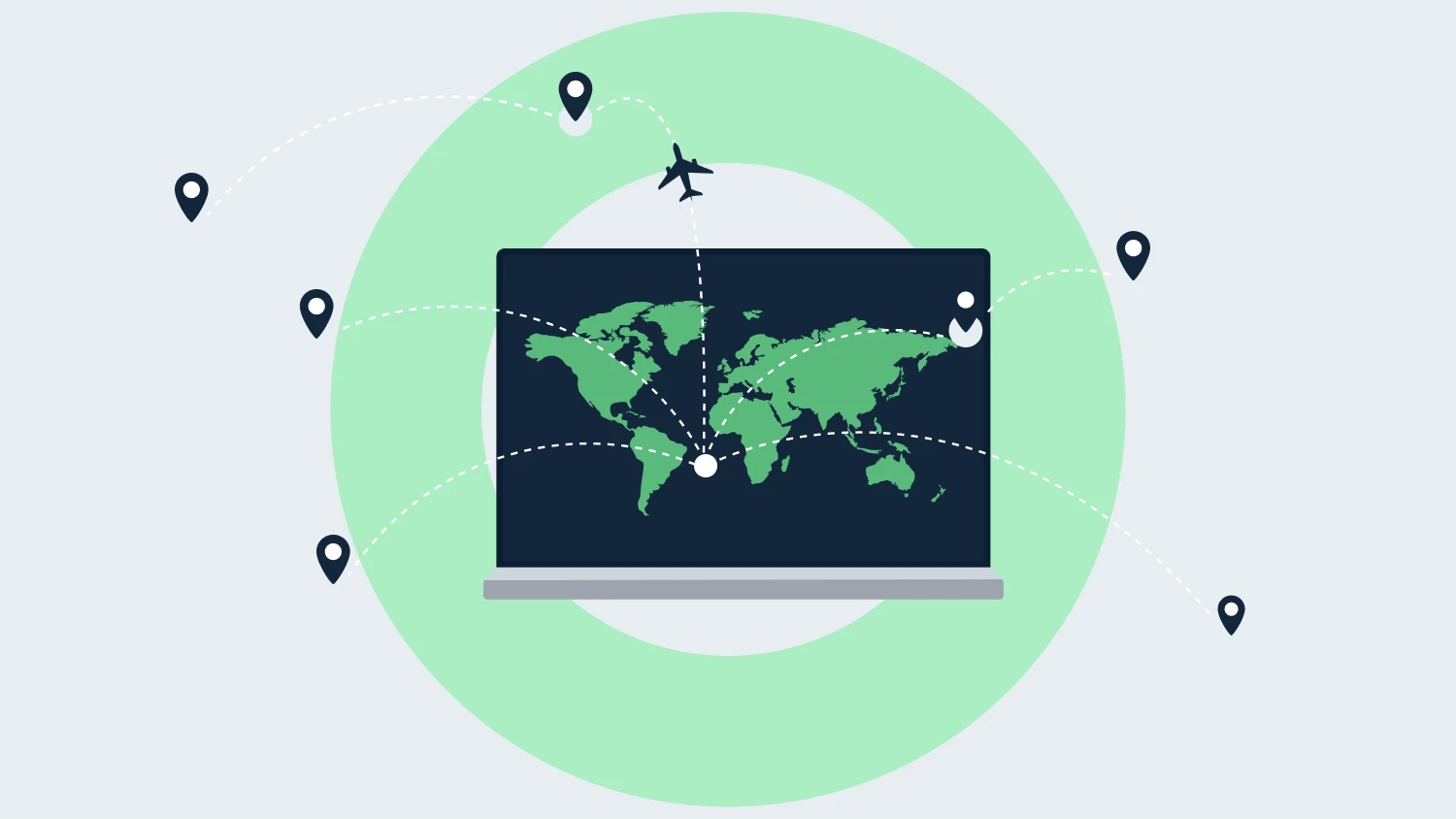
Logistics network optimization involves designing, analyzing, and improving logistics systems to strike a balance between cost, service quality, and resilience. It helps businesses find the best way to move goods from suppliers to customers while keeping expenses low and operations efficient. A strong logistics network includes location strategy, warehouse design, transportation planning, inventory placement, and supplier coordination. Together, these elements ensure that products reach the right place at the right time. Modern logistics maps now clearly show connections between facilities, markets, and demand zones, enabling companies to plan smarter routes and make more informed supply chain decisions. When we talk about modern logistics network optimization, the focus is often on cost reduction. For example, consolidating distribution centers or warehouses can deliver cost savings through increased efficiency. But a logistics network can create tremendous value for the business as well. For example:
- Improved Service and Capacity: By providing better service and having the right network capacity, you can reach customers faster and fulfill more demand. Imagine if customers could get their orders delivered today instead of tomorrow. They would likely order more from you.
- Competitive Agility: Compared to your competitors, a more nimble and responsive network helps you react faster and capture greater market share.
- Value Creation at Lower Cost: The real challenge lies in creating more value without increasing costs, or even while reducing them. That is the magic of network optimization.
Core Elements of a Logistics Network Optimization Model
A logistics network optimization model helps businesses plan and control how goods move across their supply chain. It works by using the right data, setting clear goals, and following specific limits.
- Inputs include customer demand, production capacity, lead times, and transport costs. These form the base of the model.
- Objectives focus on lowering total landed costs while improving delivery speed, reliability, and sustainability.
- Constraints may include capacity limits due to labor or space, Duties and Tariffs, regulation and compliance, service-level targets, and carbon emission limits.
How the Logistics Network Optimization Process Adds Value
Here’s how logistics network optimization drives measurable business value:
Better Customer Service Increases Revenue and Loyalty
A well-optimized logistics network improves lead times and delivery reliability. Faster fulfillment and consistent service strengthen customer trust, leading to repeat purchases and long-term loyalty.
Resilience Prevents Missed Sales and Reduces Risk
Dynamic modeling helps businesses predict and recover from disruptions faster. By testing multiple network scenarios, companies can identify weak points, prepare backup routes, and maintain operations during market or environmental disruptions.
Sustainable Network Design Builds Long-Term Advantage
Modern logistics networks integrate carbon optimization and eco-efficient practices to meet sustainability goals. Companies reduce emissions, minimize empty runs, and use cleaner transport options. This not only supports compliance and ESG targets but also reduces long-term operating costs.
The Process of Logistics Network Optimization
The process of logistics network optimization goes beyond reducing expenses. It transforms disconnected operations into a unified, data-driven system that improves decision-making, strengthens resilience, and supports long-term value creation. And the steps would include the following:
Step 1: Build a Digital Representation of Your Network to unlock value creation.
Optimization begins with creating a digital twin of the existing logistics network. This model mirrors the flow of goods, warehouse operations, and transport routes. By simulating real-world processes virtually, companies can test new ideas, identify bottlenecks, and evaluate the impact of changes before making physical adjustments. This helps decision-makers see how each scenario affects both cost and value. For example, how faster delivery routes improve revenue potential or how better warehouse placement reduces service delays. In short, a digital twin doesn’t just visualize your network; it quantifies the value of every decision, helping businesses strike the right balance between efficiency, customer satisfaction, and profitability all before any real-world change is made.
Step 2: Run Data-Driven Decision Optimization
Once the network is modeled, businesses can run what-if scenarios to explore different optimization possibilities. For example, they can see what happens when routes shift, sourcing changes, service improvements by adding additional locations or sourcing strategies change. advanced analytics and mathematical optimization will determine the most efficient setup. Algorithms analyze millions of combinations of routes, inventory levels, and facility locations to find solutions that can unlock and add value to the business, also minimize cost and maximize service quality. This allows decision makers to balance trade-offs between revenue, speed, sustainability, and cost.
Step 4: Monitor and Align Performance
Continuous improvement is key. Businesses must regularly track key performance indicators such as delivery reliability, fulfillment cost, and service speed. These metrics show whether the network is operating efficiently and where changes are needed. A deep understanding of cost-to-serve further enhances this process by revealing the true cost of delivering to each customer segment. This insight ensures that logistics strategies align with both financial and sustainability goals. Of course, let’s not forget the basic need/goal for the logistics network optimization: cost cutting, this is still lots of the fundamental needs for logistics network optimization. Here’s how businesses can optimize their network for long-term value:
1. Optimizing the Logistics Network Footprint
Reassessing the overall network footprint helps determine whether facilities are located close to key customers or suppliers. A well-planned footprint reduces transport distance, lowers emissions, and improves delivery responsiveness.
2. Consolidating Warehouses, Distribution Centers, or Transport Lanes
Merging underutilized facilities or transport lanes can reduce fixed costs and improve coordination. Consolidation also simplifies inventory management and creates stronger economies of scale across the network.
3. Selecting Efficient Transportation Modes and Routes
Choosing the right mix of transportation modes like road, rail, air, or sea based on cost, lead time, and sustainability improves both efficiency and flexibility. Route optimization further cuts fuel use and enhances delivery reliability.
4. Adjusting Warehouse and DC Capacities to Meet Seasonal Demand
Dynamic capacity planning ensures that warehouses and distribution centers can handle seasonal or promotional surges without overspending during low-demand periods. It keeps utilization high and prevents costly overcapacity.
5. Improving Inbound and Outbound Flow Paths for Smoother Operations
Streamlining inbound and outbound logistics ensures materials and products move through the network without delays. Improved flow paths reduce idle time, improve coordination between suppliers and distributors, and shorten order-to-delivery cycles.
Logistics Network Optimization in 2026: 4 Strategies to Cut Costs
The next few years will redefine how logistics networks operate. Here are four key strategies that will shape logistics optimization in 2026.
1. Scenario-Based Planning for Resilience and Precision
Businesses can no longer rely on static logistics plans. Scenario-based planning allows them to model disruptions and explore alternative routes, capacity options, and sourcing strategies. Comparing different scenarios helps teams prepare for sudden changes like fuel price spikes, labor shortages, managing back orders or trade restrictions, maintaining stability even under pressure.
2. Breaking Long-Term Goals into Agile, Short-Term Actions
Traditional planning cycles are too slow for today’s market shifts. Companies now use agile logistics planning, breaking down long-term goals into short, iterative actions. This approach allows quick adjustments in response to demand changes, supply constraints, or technology shifts, ensuring logistics strategies stay aligned with business priorities.
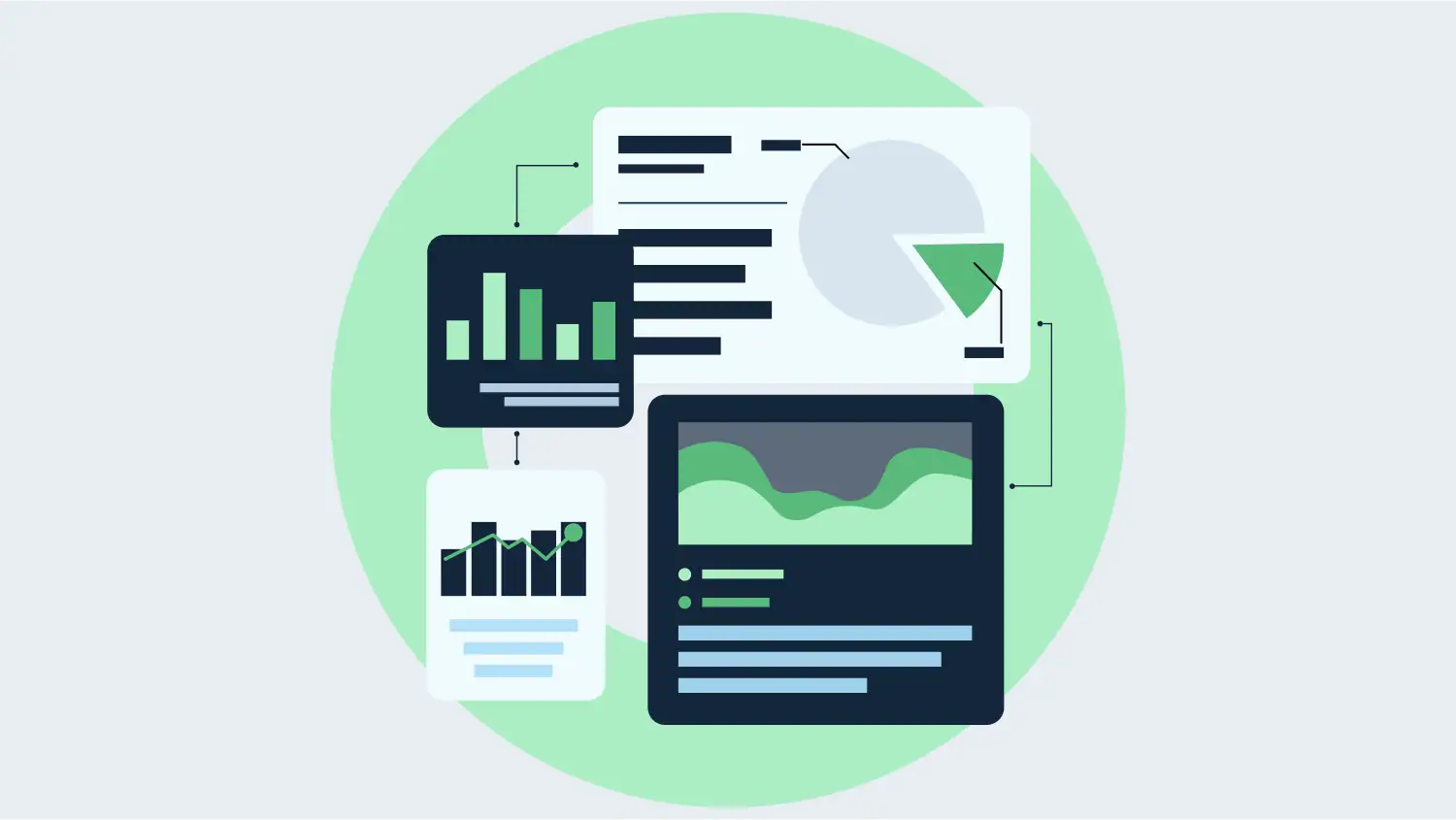
3. Centralizing and Optimizing Data with Advanced Logistics Software
Modern logistics optimization depends on data integration. Centralizing information from sourcing, production, and transportation enables end-to-end visibility across the supply chain. With advanced analytics and optimization tools, decision-makers can identify cost-saving opportunities, streamline workflows, and improve delivery performance. test.sophus.ai/ acts as the logistics brain behind this transformation. We bring together modeling, advanced analytics, and supply chain network optimization capabilities in one platform to help businesses design networks that think, adapt, and scale intelligently.
4. Sustainable Transport That Saves Money
Sustainability is now a cost advantage. Companies that invest in energy-efficient transport, such as electric fleets and optimized routing, reduce emissions and fuel expenses simultaneously. Smarter load planning and carbon tracking not only improve environmental performance but also strengthen brand credibility and long-term profitability.
Conclusion: Transforming Logistics Networks into Strategic Assets
The next generation of logistics network optimization is not only about squeezing costs but about building systems that deliver consistent value. Flexible, data-driven logistics network decisions can adapt to change, recover from disruption, and continuously improve efficiency to reduce cost but also more importantly deliver value to the business Organizations investing in logistics network optimization are already outperforming competitors — not only in costs but more importantly gaining more market share. The long-term winners are those who treat logistics as a strategic growth driver, not just a cost center. If you’re ready to turn your logistics network into a value-creating engine, book a call with Sophus and see how advanced modeling and AI-driven optimization can transform your supply chain decisions.
FAQs
1. What are the key components of a logistics network optimization model?
Key components include customer demand, warehouse design, transportation strategy, and cost-to-serve analysis, all working together to balance cost and service.
2. How does logistics network optimization software improve decision-making speed and accuracy?
It uses centralized data and predictive analytics to test multiple scenarios, reduce planning time, and provide reliable insights for faster, evidence-based decisions.
3. What steps should businesses take to move from cost-driven to value-driven logistics?
Start by modeling the current network, run optimization scenarios, monitor key metrics, and integrate sustainability and cost-to-serve analysis into every decision.